Logan Reed · 13 October 2026
Charting Resource Allocation Strategies for Search Engine Crawlers in Large-Scale Web Property Transitions
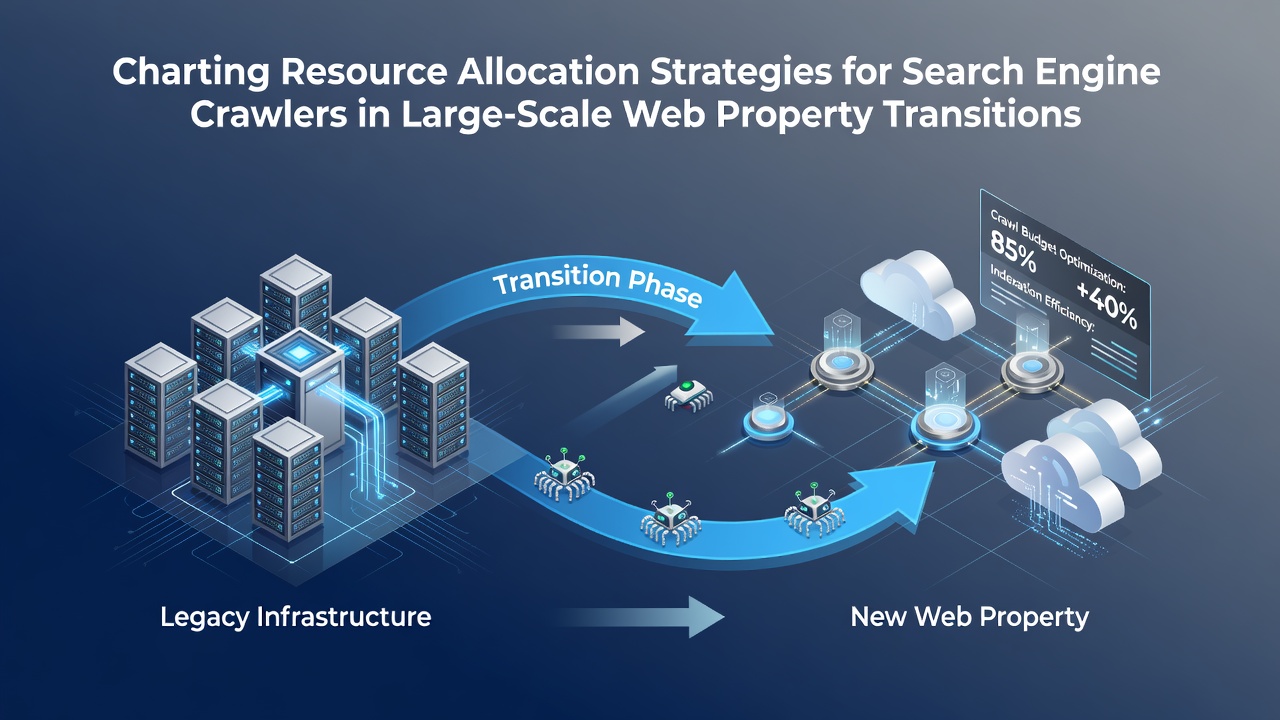
Large-scale web property transitions involve complex shifts in domain structures, content architectures, and server configurations that directly affect how search engine crawlers distribute their limited resources across millions of URLs. Data from multiple industry reports shows that crawl budget allocation becomes a central factor during these periods because search engines prioritize pages based on signals like update frequency, internal link strength, and server response efficiency. Observers note that without deliberate mapping of resource priorities, transitions can lead to uneven indexing rates where some sections receive excessive attention while others remain under-crawled for extended periods.
Defining Crawl Budget Parameters in Transition Contexts
Crawl budget represents the number of pages a search engine bot will process within a given timeframe, and this metric shifts noticeably when organizations consolidate multiple properties or migrate to new hosting environments. Researchers at academic institutions have documented that factors such as server latency, robots.txt directives, and sitemap completeness influence allocation decisions, while figures from ongoing monitoring tools reveal that high-traffic sites often see their effective budgets constrained during simultaneous redirects and content updates. Those who have studied migration logs find that establishing baseline crawl patterns before any changes occur provides measurable benchmarks for later comparison.
Mapping Priority Tiers Across Property Segments
Teams managing these transitions frequently divide URLs into priority tiers based on traffic contribution, conversion value, and structural importance, which allows crawlers to focus initial resources on high-impact areas. Evidence suggests that implementing tiered sitemaps and internal linking hierarchies guides bots toward critical sections first, while secondary pages receive attention in subsequent passes. What's interesting is how October 2026 data from web infrastructure analyses indicates that sites employing dynamic priority adjustments during transitions maintained steadier indexing velocity compared to those using static configurations.
But here's the thing: allocation strategies must account for temporary spikes in server load that occur when multiple domains point to shared resources, and experts have observed that rate-limiting rules or phased rollout schedules help prevent crawler timeouts. Studies indicate that coordinating these elements with content freeze periods reduces the risk of incomplete indexing, particularly when legacy URLs undergo bulk canonicalization.
Implementing Monitoring Frameworks for Real-Time Adjustments
Continuous tracking through server logs and search console data enables teams to identify under-crawled segments early and reallocate resources accordingly. According to Google documentation on crawling processes, signals such as last-modified headers and change-frequency tags in sitemaps play measurable roles in determining visit patterns. Those who've examined transition case studies report that integrating these signals with automated alerts allows for quicker responses when certain directories fall behind expected crawl rates.
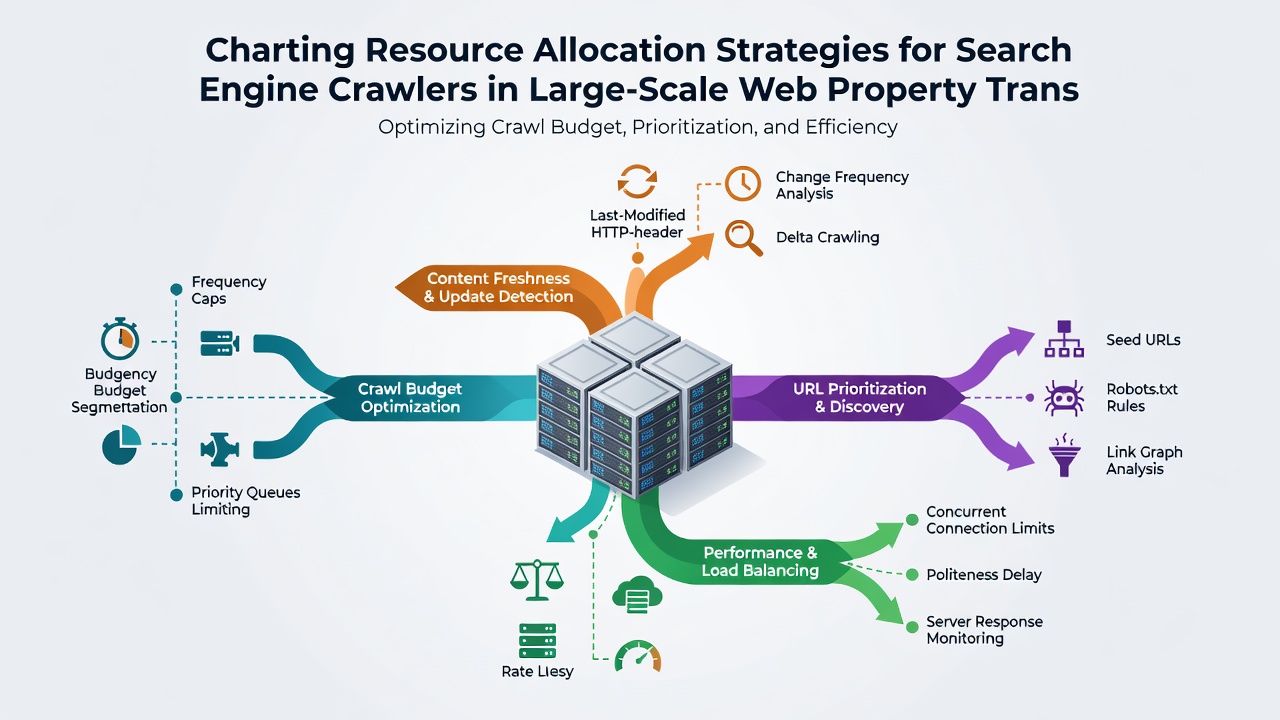
Yet patterns also emerge around regional infrastructure differences, where crawlers from various engines demonstrate distinct allocation behaviors based on local network conditions. Research from European digital infrastructure studies highlights that sites spanning multiple jurisdictions benefit from region-specific robots.txt rules that balance global and localized crawling needs. Data shows that such tailored approaches prevent over-allocation in one market at the expense of another during extended transition windows.
Coordinating Technical Elements with Resource Planning
Server configuration changes, including CDN adjustments and SSL implementations, intersect directly with crawler resource strategies because these elements affect response times and therefore visit frequency. Observers note that documenting every modification in change logs provides the traceability needed to correlate technical shifts with observed crawl variations. People managing large properties often discover that pre-transition audits of redirect chains and duplicate content flags reduce unnecessary resource expenditure once the migration activates.
Turns out that combining these audits with structured data markup refreshes further optimizes how crawlers interpret new site structures, since accurate schema helps prioritize content relevance signals. Figures from web performance databases reveal that sites maintaining consistent markup standards across transition stages experience fewer indexing gaps than those introducing markup changes mid-process.
Conclusion
Effective charting of resource allocation strategies during large-scale web property transitions relies on systematic tiering, real-time monitoring, and coordinated technical adjustments that align crawler behavior with business priorities. Evidence from multiple monitoring initiatives demonstrates that organizations applying these methods achieve more balanced indexing outcomes across expanded or consolidated properties. Continued refinement of these approaches, informed by evolving crawler protocols, supports sustained visibility as web environments scale and interconnect.