Zara Hartmann · 29 September 2026
Aligning Architectural Updates with Seasonal Search Trends to Safeguard Equity During Shifts
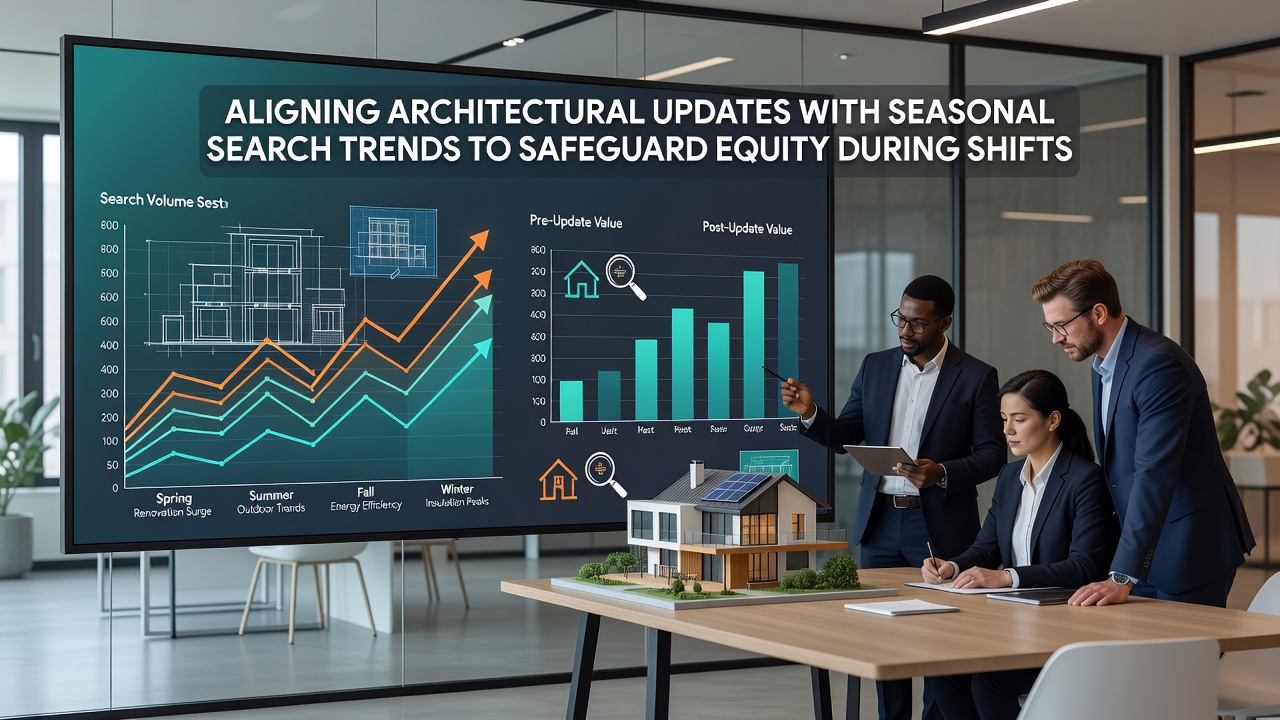
Website teams often schedule structural revisions such as navigation hierarchies, internal linking frameworks, and content categorization systems to coincide with predictable fluctuations in user query patterns throughout the year. Data from multiple retail sectors shows that search volumes for product categories shift measurably between quarters, and organizations that synchronize architectural modifications with these cycles maintain higher levels of organic visibility compared with those that implement changes during peak demand periods.
Research from government statistical agencies indicates that consumer interest in categories like outdoor equipment climbs sharply in spring months while home goods queries accelerate ahead of winter holidays. Planners therefore review historical keyword datasets from the prior three years before finalizing any site-wide reorganization timeline. This approach allows technical teams to test new URL patterns and category trees in low-traffic windows, reducing the chance that established ranking signals become diluted when traffic naturally increases.
Mapping Seasonal Query Cycles to Site Structure
Analysts compile monthly search volume reports from platform tools and cross-reference them against transaction logs to identify the exact weeks when category interest rises or falls. Once these inflection points appear on the calendar, architects can slot major updates into shoulder seasons rather than core shopping periods. For instance, a home improvement retailer might introduce a new faceted navigation system in early September 2026, well before holiday decorating queries reach their annual maximum.
Studies conducted by academic research groups demonstrate that sites undergoing structural changes during rising search periods experience slower recovery in indexation speed. Observers note that search engines allocate crawl resources more conservatively when they detect simultaneous content reorganization and heightened user engagement signals. Consequently, many organizations create a rolling twelve-month calendar that flags both expected query surges and recommended maintenance windows.
Preserving Link Equity Through Phased Rollouts
Internal link graphs represent accumulated equity that can shift dramatically when category structures change. Teams therefore map every existing inbound link to its target page before introducing new parent-child relationships. Redirect chains stay short, typically limited to one hop, and canonical tags receive updates in the same deployment batch to prevent equity fragmentation.

According to figures released by Statistics Canada, e-commerce transaction values in Canada increase by more than 40 percent between October and December each year. Organizations planning North American market updates therefore treat September as a final preparation month in 2026, completing crawl budget audits and log-file analysis before October traffic arrives. This sequencing keeps server response codes stable and allows any indexation delays to resolve while search demand remains moderate.
Integrating Data Sources for Timing Decisions
Multiple data streams feed the decision process. Transaction records reveal which product clusters generate the strongest conversion rates during specific weeks, while server logs show how frequently crawlers visit individual sections. Teams combine these inputs with publicly available seasonal adjustment tables published by the US Census Bureau to forecast when a given category will move from baseline to peak interest. US Census Bureau retail data supplies the macroeconomic context that helps teams avoid overlapping major architectural work with national consumption spikes.
European analysts draw on comparable datasets from the OECD to align updates across multiple markets. The same principle applies: structural revisions occur when query volume curves remain flat or declining, giving indexing systems time to reprocess new hierarchies before demand rebounds. Industry reports from university research centers further confirm that sites maintaining consistent crawl accessibility during transition periods retain higher proportions of their pre-update ranking positions.
Monitoring Post-Update Performance Indicators
After deployment, teams track index coverage reports, average position changes for target keywords, and internal link distribution metrics on a weekly cadence. Any deviation beyond established thresholds triggers immediate review of redirect implementation and canonical tag accuracy. Because seasonal baselines have already been documented, analysts can distinguish between normal volume-driven fluctuations and genuine equity loss caused by architectural modifications.
Longer observation windows, typically spanning eight to twelve weeks, allow sufficient data to accumulate for meaningful comparison against prior seasonal cycles. This extended timeframe accounts for the lag between content changes and full search engine re-evaluation, ensuring that reported outcomes reflect stabilized performance rather than temporary volatility.
Conclusion
Coordinating architectural updates with documented seasonal search trends enables organizations to complete necessary structural work while minimizing interference with established equity signals. By consulting government statistical releases, transaction histories, and crawl logs, teams identify low-risk implementation windows that align with natural demand cycles. The result is a measurable reduction in ranking disruption across successive seasonal shifts, supported by consistent monitoring practices that begin well before peak periods such as those anticipated in late 2026.